
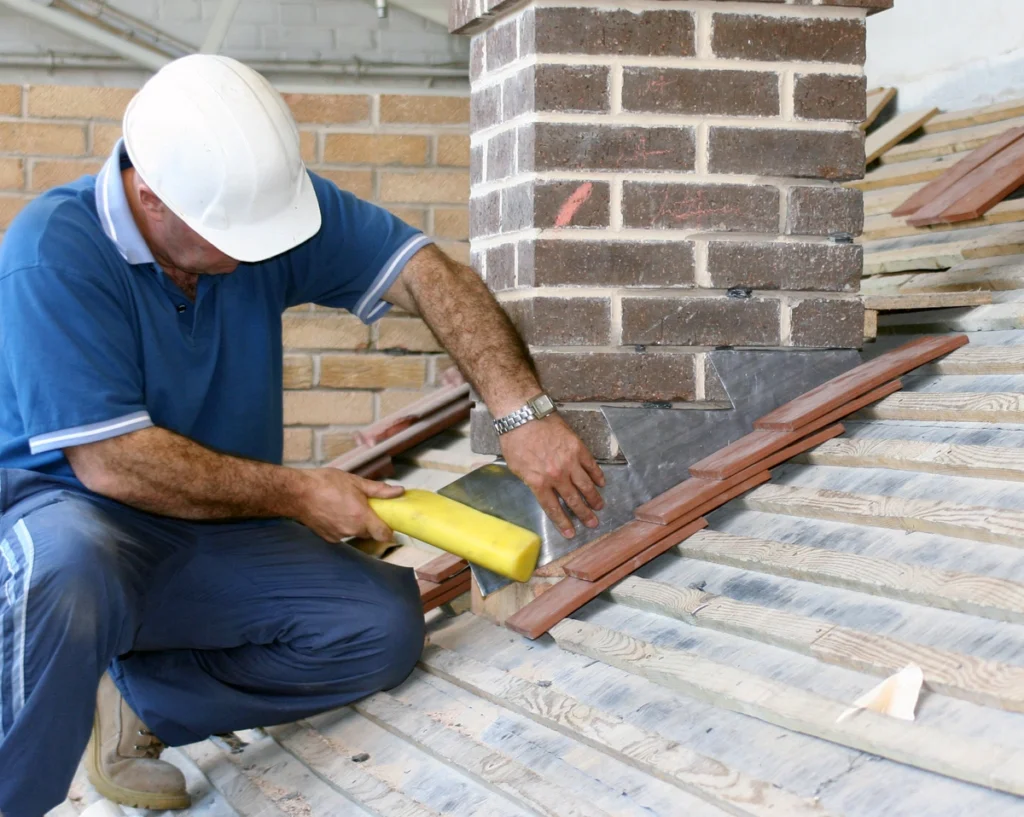
 Roof flashing is an essential component in maintaining the integrity of your roof. Often unnoticed, it plays a crucial role in protecting your home from water damage by directing water away from vulnerable areas like chimneys, skylights, and vents. Over time, roof flashing can wear down or become damaged, leading to potential leaks and structural issues. This guide will explain what roof flashing is, when to consider roof flashing repair, and the proper steps to fix or install it.
What Is Roof Flashing?
Roof flashing is a thin material—usually metal—used to direct water away from critical points on the roof where two surfaces meet. These areas are especially susceptible to leaks, and without proper flashing, water could seep into your home. Flashing is typically installed around chimneys, vent pipes, skylights, dormers, and the edges of the roof valleys.Common Roof Flashing Types
Metal Roof Flashing: Usually made of aluminum, copper, or galvanized steel, this metal roof flashing is durable and resistant to corrosion. Typically used for general roof edges, valleys, and around roof penetrations like chimneys and vents. It is highly durable and a metal roof can last decades.
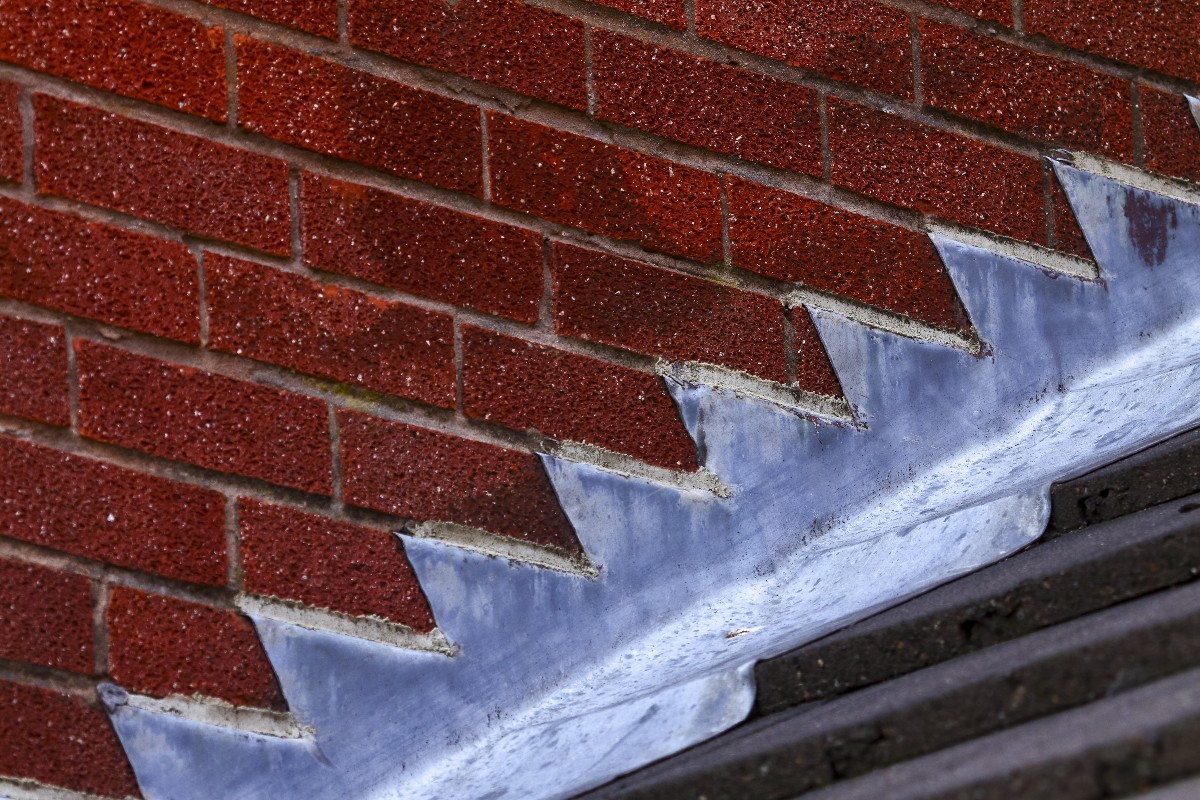
Step Roof Flashing: Used around chimneys and walls, step flashing is installed in layers to guide water away from vertical surfaces. This type of flashing is ideal for areas where the roof meets a vertical surface.
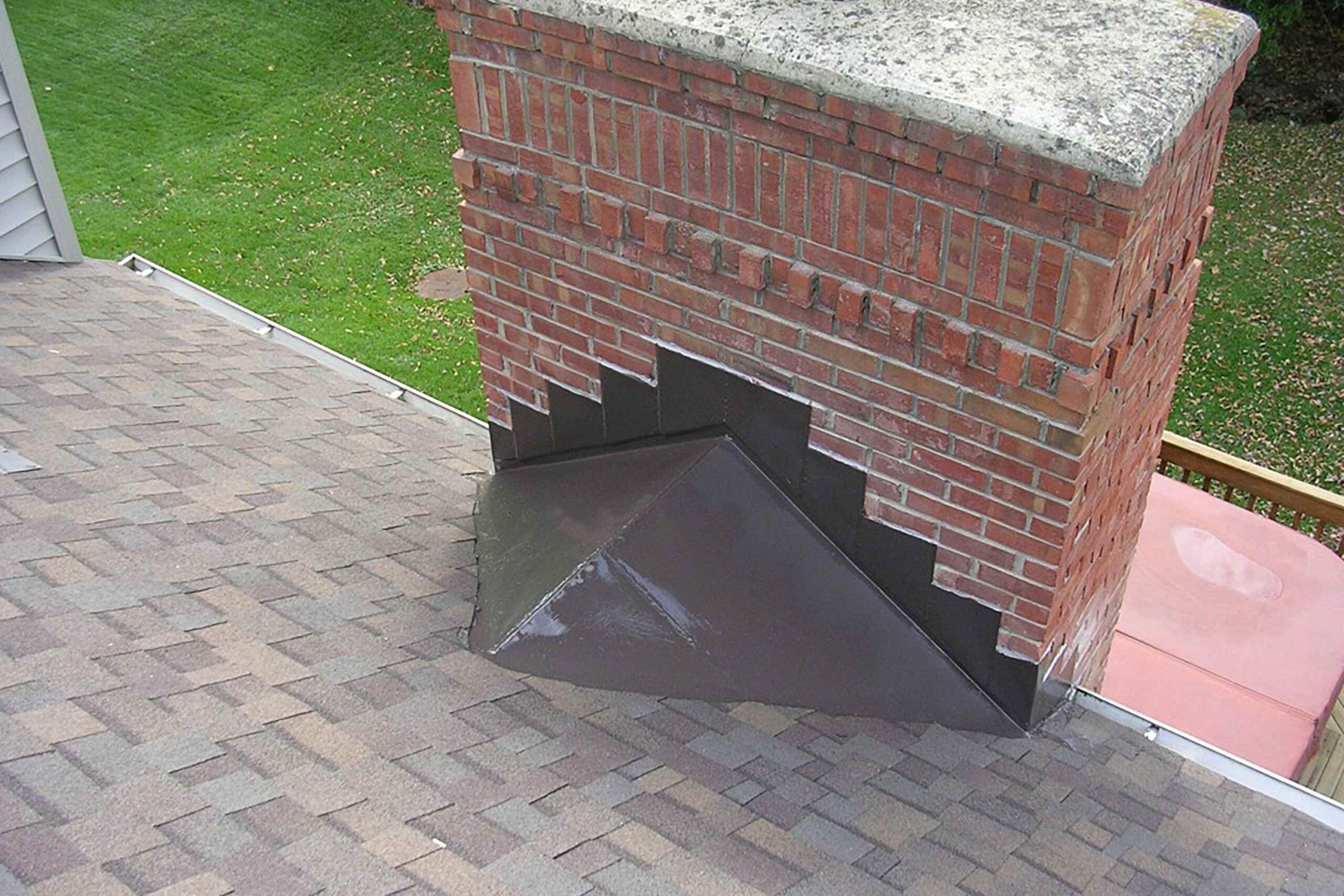
Chimney Roof Flashing: Designed specifically for the base of chimneys, this flashing prevents water from leaking into the home where the chimney meets the roof. This flashing is installed in two parts—base flashing and counter flashing—to create a weatherproof seal. Proper installation is critical, as chimneys are highly prone to leaks.
Each type of roof flashing serves a particular function and needs to be installed correctly to ensure long-term durability.How Do I Know If My Roof Flashing Needs Repairs?
The signs that your roof flashing needs repair can range from subtle to obvious. Here are some indicators that suggest it’s time to take action:- Visible Rust or Roof Corrosion: Over time, metal flashing can corrode, especially in areas with a lot of moisture. If you see rust, it’s a sign that your flashing needs attention.
- Loose Roof or Missing Flashing: High winds, hailstorms, or improper installation can cause flashing to become loose or entirely dislodged. If flashing is not securely fastened, water can easily penetrate these gaps.
- Roof Leaks: The most significant red flag is noticing water leaks in your attic or ceilings. If water is getting into your home, there’s a good chance the flashing has failed.
- Cracks or Holes on the Roof: Damage in the flashing material, such as cracks or holes, can lead to moisture infiltration.
- Damaged Roof Shingles Near Flashing: If shingles around your flashing are damaged, curling, or loose, it’s worth inspecting the flashing as well.
How Does Roof Flashing Repair Work?
Repairing roof flashing involves identifying problem areas, gathering the necessary tools, and either patching or replacing the damaged section. Roof flashing repair should be done with caution to avoid causing further damage to your roof or surrounding structures.1. Identify Your Roof’s Problem Areas
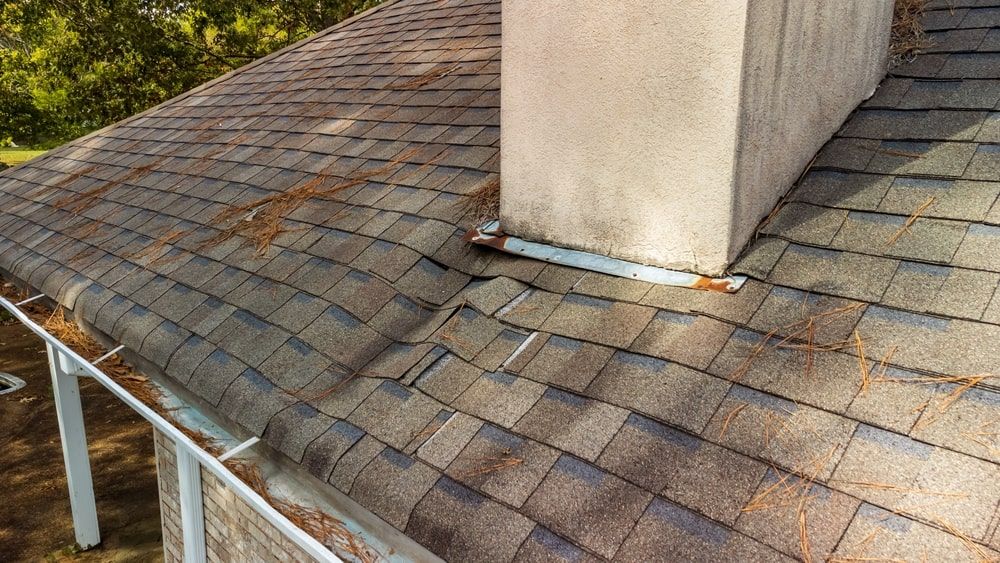 Before starting any repairs, identify where the flashing damage has occurred. Typical problem areas include chimneys, valleys, roof vents, and skylights. Take a close look at the seams where flashing meets roofing materials. Also, check for missing or loose sections. If no water has penetrated the roof, you can proceed with the flashing replacement. However, if you find rotting or damaged decking, it will need to be repaired before continuing.
2. Gather Roof Flashing Tools & Materials
You’ll need the following tools and materials to repair or replace roof flashing:- Flat pry bar
- Hammer
- Roofing nails
- Roofing cement or sealant
- Utility knife
- Chisel
- Metal flashing (as per your roof type)
- Ladder
- Safety equipment (gloves, safety goggles, harness)
3. Identify Cost to Fix Roof Flashing
The cost to repair roof flashing can vary depending on the extent of the damage, the type of flashing, and whether you choose to hire a professional.- DIY repairs: Simple flashing repairs can cost between $50 and $100, depending on materials and tools required.
- Professional repairs: Hiring a professional roofer typically ranges from $200 to $500. This cost can increase significantly if there are additional issues, such as water damage to underlying roof structures.